Ultimate Protection for Seniors with Panic Alarms
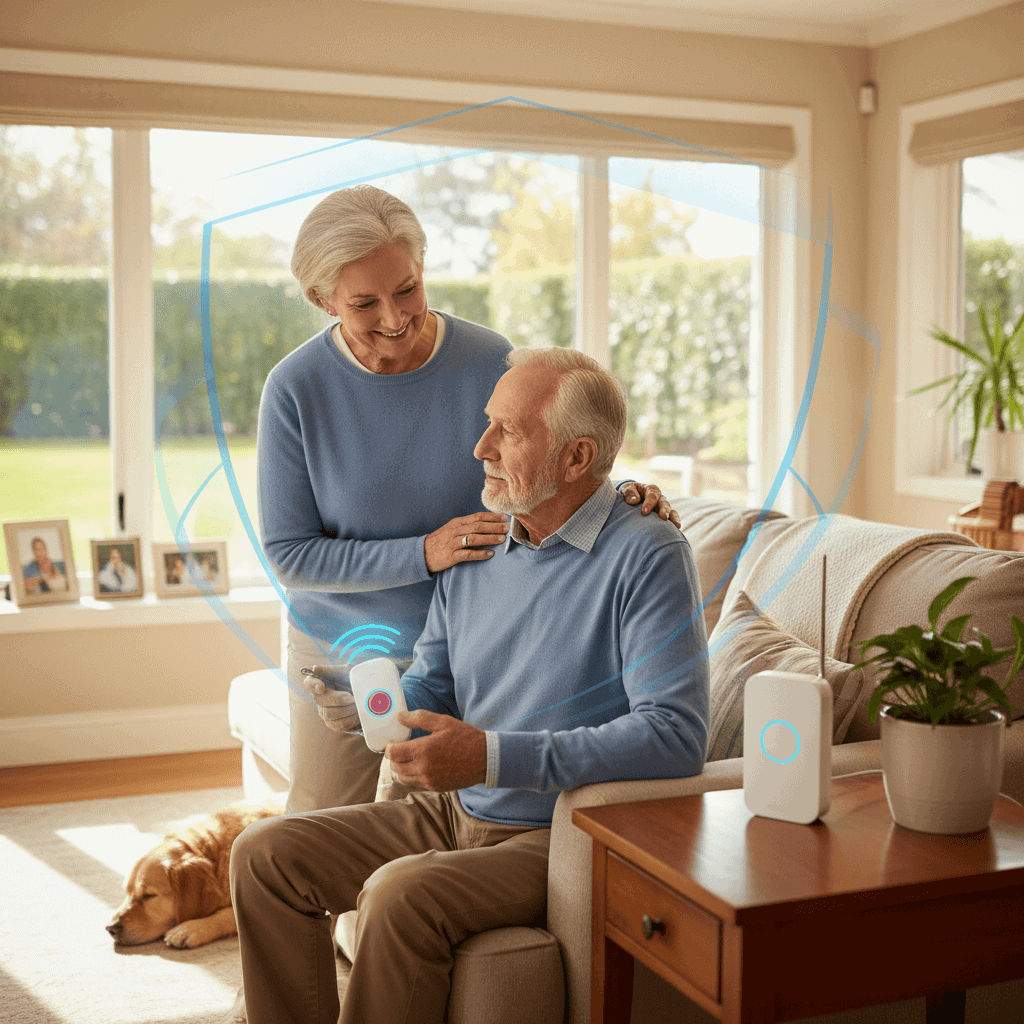
Seniors who live alone or spend time away from family face a unique set of safety concerns. Panic alarms are a practical response to those risks. In everyday life they act as a direct line to help when a fall, sudden illness, or threatening situation happens. This article examines how these devices work and why they belong in a plan for senior protection.
We will cover device types, real life uses, selection tips, and steps to make sure an alarm actually helps when it matters. The goal is to give clear, usable guidance so caregivers, family members, and older adults can move from worry to action.
Why panic alarms make sense for seniors and their caregivers
Panic alarms convert an urgent need into a fast response. Studies show a large share of serious injuries for older adults come from falls. A prompt call for help reduces the time a person may be left on the floor which limits complications such as dehydration, infections, and loss of mobility. Beyond medical incidents, panic alarms reduce delay when a senior faces threats at home or outdoors.
For family members the value is simple. A device that can summon help quickly reduces the need for constant physical supervision while still offering a reliable safety net. That balance supports independence while reducing risk. When choosing a device it helps to think of it as part of an overall safety plan including medication management, home hazards reduction, and routine check ins.
Types of panic alarms and how they function
Not all panic alarms work the same way. Choosing a type that fits daily habits improves the odds a senior will use it when needed. Below are the main categories and what to expect from each.
Wearable pendants and wrist buttons
These devices are designed to be carried on the body at all times. Many models use a small button that connects to a base station by radio signal. When pressed the base station calls a monitoring center or a preset phone number. Wearables are ideal for people who may fall in a room away from a phone because the device remains with them.
Home base units and fall detectors
Home base alarms plug into a power source and pair with wearables. Some systems include automatic fall detection that triggers an alert without a button press. Fall sensors work by measuring sudden changes in motion and position. They are not perfect but can catch incidents where the person is unconscious or unable to reach the pendant.
Top benefits of panic alarms for elderly safety
Panic alarms offer several measurable advantages. Below are key benefits to consider when weighing options.
- Faster emergency contact Response times improve because alerts go directly to monitoring centers or emergency contacts. A quicker medical response can reduce complications.
- Independence with structure Devices support living at home longer by providing a safety fallback while allowing daily routines to continue.
- Reduced caregiver stress Family members often report lower anxiety knowing a reliable alert system exists. This can make visits less tense and caregiving choices more flexible.
- Night time coverage Many incidents happen at night. A wearable that works 24 7 addresses gaps when a landline or mobile phone might not be within reach.
- Custom alert paths Modern systems allow alerts to go to neighbors, family members, or commercial monitoring centers depending on preference.
For further reading about benefits and real world use cases you can explore this topic which offers a clear list of advantages and decision points.
How to choose the right panic alarm system
Selecting the correct system means matching features to the seniors daily life. Consider three practical questions before purchasing.
- Where will the person spend most of their time If they leave the house often choose a solution with mobile coverage. For mainly indoor living a home base with a long range antenna may be enough.
- How tech friendly is the user Simple push button designs work better for people who prefer minimal interaction. If a caregiver is comfortable with apps and settings a system with mobile integration can provide status updates and location tracking.
- What alert path feels right Decide if alerts should go to family first or to a 24 hour monitoring center. Private contacts can be faster if they live nearby. Monitoring centers offer professional triage around the clock.
Also check battery life, water resistance for shower use, and any monthly subscription fees. A low monthly cost is attractive but compare the level of service offered at each price.
Adoption tips and training to get the most from a panic alarm
Even the best device will fail if it is not used. Training and routine make alarms effective during emergencies.
Simple training steps
- Practice the button press three times while the user is calm so it becomes a reflex
- Label the device with simple instructions and include contact numbers on the back
- Set weekly reminders to check battery indicators and wearables fit
Involving family and neighbors
Share the alert plan with close neighbors and family members. If the monitoring center contacts a neighbor first they can check in quickly. Create a short protocol for neighbors so they know whether to enter the home or call emergency services.
Real life scenarios where panic alarms changed outcomes
Concrete examples help clarify how these systems work in practice. Below are anonymized, realistic scenarios that show varied benefits.
- Fall in the living room An 82 year old woman slipped while moving to sit and could not reach her phone. Her pendant alerted a monitoring center which called emergency medical services. Paramedics arrived in under 30 minutes and she avoided a longer stay on the floor.
- Nighttime medical episode A man in his late 70s experienced sudden chest pain at 3 a m. He pressed the wrist button and a family member living nearby received the alert. The family member drove over and then called an ambulance which reduced delay to care.
- Unexpected home intrusion During a break in a home alarm, an older adult felt threatened. Pressing a panic device alerted a monitoring center and the local police were dispatched. The presence of responders ended the incident quickly.
These stories share a common thread. The device does not replace medical care but shortens the time between event and help which can change outcomes.
Common questions and practical answers
People often ask about reliability, false alarms, and cost. Below are succinct answers that reflect typical product features and trade offs.
- What about false alarms False triggers do happen. Choose a system with a verification step such as two way voice so the monitoring agent can confirm the need before dispatching emergency services.
- Are monitoring fees necessary Some devices offer direct contact to family without a subscription. That can save money but does not provide 24 7 professional response. Evaluate local options such as community services that may provide low cost monitoring for seniors.
- Will the device work outdoors Models that use cellular networks work away from home. If the person spends time in rural areas confirm carrier signal strength first.
Practical maintenance keeps systems dependable. Test equipment monthly, replace batteries as recommended, and recheck contact lists after any change in caregivers or living arrangements.
When selecting a system consider trial periods and return policies. Trying a device in the actual living environment reveals signal issues that are not obvious in a store display.
Conclusion
Investing in panic alarms is a clear step toward safer daily life for older adults and less stress for their families. These devices shorten response times, make it easier to live independently, and provide a straightforward layer of protection against falls medical crises and home emergencies. Choosing the right solution means matching device type to lifestyle test driving the system in the seniors routine and establishing a simple response plan with family and neighbors. Regular habit checks and battery maintenance maintain reliability over time.
If you are responsible for a loved one think about where gaps in coverage are likely to occur and pick a device that closes those gaps. A wearable pendant that works outdoors supports errands and short walks. A home base with fall detection helps people who spend more time inside. Combine a device with a written contact plan and brief training and you create a practical safety net.
Take action this week by listing daily routines and identifying the moments when help would be hardest to reach. Use that list to evaluate models and ask vendors about trial periods and monitoring options. Making a choice today can reduce risk tomorrow and keep an older adult living more freely with an added layer of protection. Reach out to local providers, compare features, and set up a short practice routine so the device is second nature when it matters most.